
Ashwagandha Benefits: Science-Backed Health Effects (April 2026)
Science-backed ashwagandha benefits: 27.9% cortisol reduction, sleep improvements, testosterone gains. Clinical dosing, timelines, and results. April 2026.
You're comparing ashwagandha supplements and every brand claims theirs is clinically dosed, but you don't know what that actually means. We pulled the studies that report measurable outcomes: 300mg of standardized root extract twice daily lowered cortisol by 27.9%, 600mg once daily improved objective sleep metrics in diagnosed insomnia, and resistance-trained men saw roughly 15% testosterone increases at the same split dose over 8 weeks. Ashwagandha benefits are tied to specific mechanisms and dosing windows, and the difference between what works and what wastes money comes down to matching your goal to the dose and timeline the trials actually tested. Here's the breakdown by target outcome and what the evidence supports.
TLDR:
- Ashwagandha lowers cortisol by 27.9% at 300mg twice daily, driving measurable stress reduction
- 600mg daily improves sleep onset and duration in insomnia patients after 8 weeks
- Testosterone rises roughly 15% in resistance-trained men through cortisol suppression
- Start at 300mg daily with baseline cortisol and thyroid labs before beginning
- BioHackLabsHQ provides evidence-first protocols grounded in peer-reviewed research
Stress and Anxiety Reduction Through Cortisol Modulation
Ashwagandha's most well-documented effect is stress and anxiety reduction, driven by a concrete physiological pathway: HPA axis modulation. One double-blind, randomized controlled trial found that 300mg of ashwagandha root extract twice daily produced a 27.9% reduction in serum cortisol after 60 days, a result that can be integrated into structured protocols for stress management. That's a measurable hormonal shift confirmed by bloodwork, not a subjective wellness report.
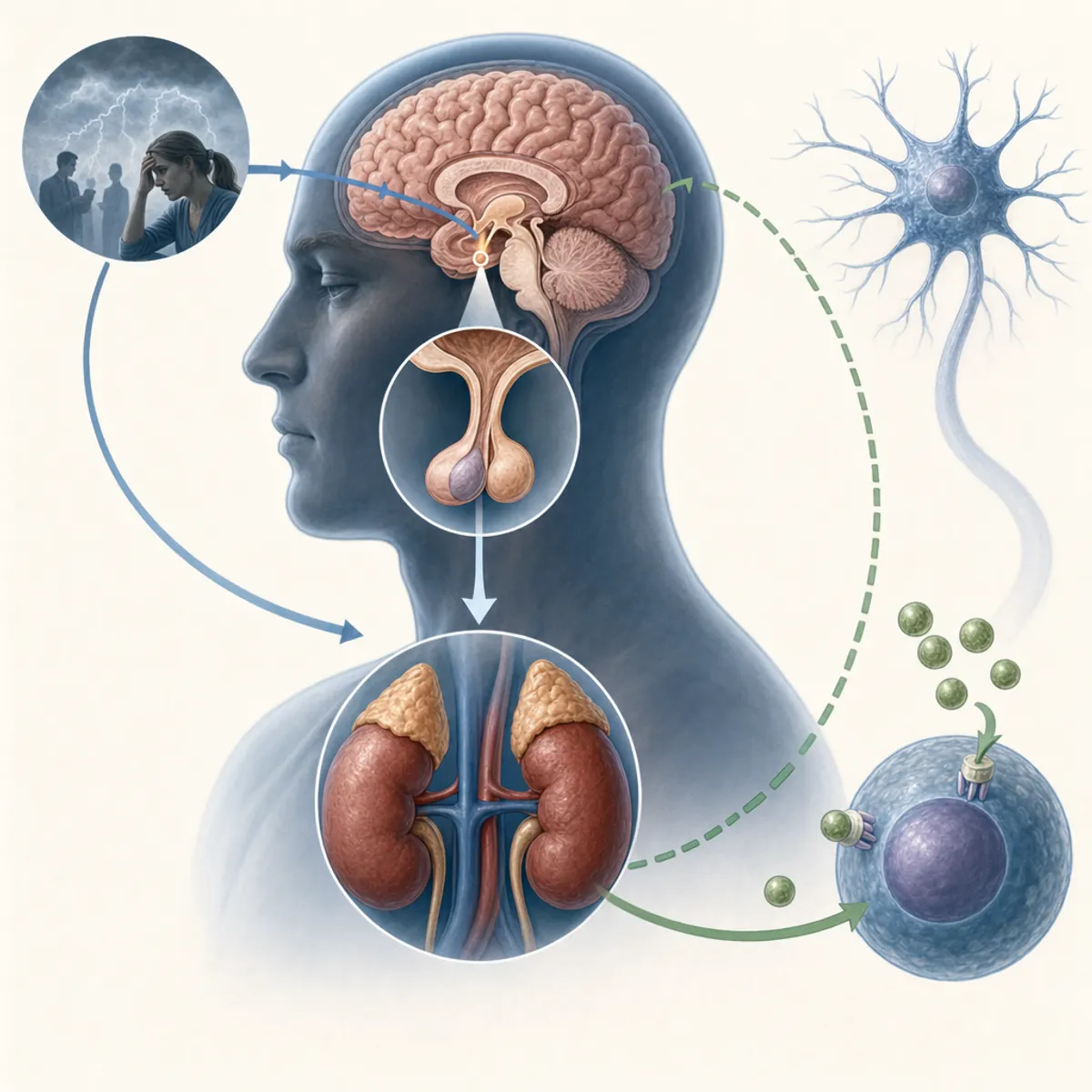
Participants in the same trial also scored markedly lower on the Perceived Stress Scale. Cortisol's reach extends into sleep quality, immune function, body composition, and reproductive health, which is why this mechanism underlies most of the downstream benefits covered throughout this article.
Effects on Sleep Quality and Duration
A randomized, double-blind trial using 600mg daily found measurable improvements in sleep onset latency, total sleep time, and sleep quality after 8 weeks. Effects were most pronounced in participants with diagnosed insomnia compared to healthy sleepers.
Where insomnia is the baseline, polysomnography and actigraphy data both show objective changes beyond self-reported perception. Below 600mg, the evidence thins considerably. If sleep is your primary target, the research supports higher-end dosing within the studied range.
Testosterone and Male Sexual Health
Testosterone effects in men are real but modest. Several RCTs found measurable increases in serum testosterone, with one well-cited study in resistance-trained males reporting roughly a 15% rise compared to placebo. Sperm concentration and motility also improved in trials involving infertile men.
The mechanism likely traces back to cortisol. Chronically high cortisol suppresses LH secretion, driving down testosterone production. By lowering cortisol, ashwagandha may free up that hormonal pathway instead of directly stimulating testosterone synthesis. Most trials run 8 to 12 weeks, so long-term effects remain understudied.
Female Sexual Function and Menopausal Support
Two distinct bodies of research cover female-specific ashwagandha use: sexual function and menopausal symptom management.
A double-blind, placebo-controlled trial in perimenopausal women found measurable improvements in menopausal symptoms, hormonal parameters, hot flash frequency, and perceived stress after 56 days, with no adverse effects reported. A separate RCT in healthy women showed improvements in arousal, lubrication, and overall sexual satisfaction scores from targeted supplementation.
The menopausal data is worth noting because the hormonal parameter shift accompanied subjective symptom relief, suggesting the effect extends beyond stress reduction alone.
Athletic Performance and Body Composition
An 8-week RCT in resistance-trained men taking 300mg twice daily found greater gains in bench press and leg extension strength versus placebo, alongside reductions in body fat percentage. Muscle recovery, measured by serum creatine kinase levels post-exercise, also improved in the supplementation group, an effect shared by other recovery compounds like BPC-157.
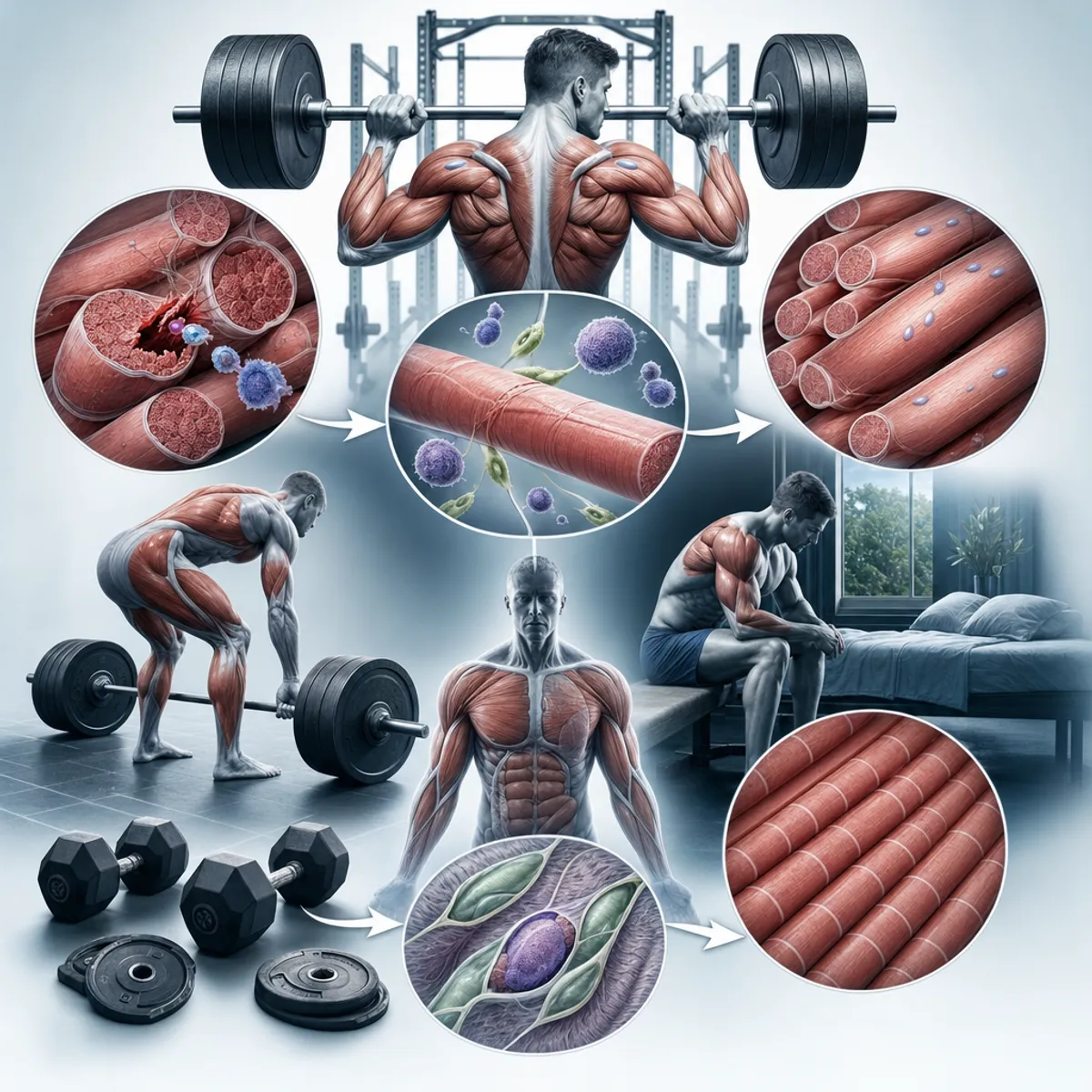
The pattern across studies is consistent: ashwagandha combined with training outperforms training alone. Whether the driver is cortisol reduction, better sleep, or a direct anabolic signal remains an open question.
Dosing Frameworks and Timing Considerations
Most clinical trials clustered around 300mg to 600mg daily, with the right dose tracking closely to your primary goal.
| Target | Studied Dose | Trial Duration |
|---|---|---|
| Stress and cortisol | 300mg twice daily | 8 to 12 weeks |
| Sleep quality | 600mg once daily | 8 weeks |
| Testosterone | 300mg twice daily | 8 to 12 weeks |
| Athletic performance | 300mg twice daily | 8 weeks |
For sleep, evening dosing is the logical fit. For stress and testosterone applications, split dosing across morning and evening mirrors how most trials were structured. Start at 300mg daily and adjust upward only if response is minimal after four weeks.
Safety Profile and Adverse Event Data
Short-term use at studied doses is well-tolerated in most healthy adults. A 12-month safety study in 191 participants reported mild adverse events in just 9.4% of subjects, with no serious events linked to ashwagandha, supporting its role in longevity practices.
Three areas warrant attention:
- Liver toxicity: Rare case reports of hepatotoxicity exist, primarily at high doses or with prolonged use. Not common in trial populations, but worth monitoring with periodic liver panels.
- Thyroid effects: Ashwagandha can raise T3 and T4 levels. Anyone with a thyroid condition or on thyroid medication should get baseline labs before starting.
- Pregnancy: Uterotonic properties make it contraindicated during pregnancy, covered in the next section.
GI discomfort and mild drowsiness are the most frequently reported complaints at standard doses. Both tend to resolve when taken with food.
Pregnancy and Fertility Considerations
The uterotonic concern flagged earlier comes largely from traditional Ayurvedic texts, not controlled trials. Recent clinical research tells a more specific story.
One study in pregnant women found ashwagandha root extract associated with improvements in hematological parameters, stress markers, and sleep quality, with no meaningful abnormalities in safety labs over the trial period.
That said, trial populations were small and follow-up was short. If you took ashwagandha before knowing you were pregnant, acute exposure at normal doses is unlikely to cause harm, but stopping and consulting your OB is the right call, much like how other compounds require careful consideration during pregnancy.
Skin and Hair Applications
Ashwagandha's skin benefits trace back to two mechanisms: antioxidant activity and cortisol reduction. Withanolides scavenge free radicals that accelerate collagen breakdown, while lower cortisol levels reduce stress-related inflammation that contributes to acne and uneven tone, mechanisms documented across biohacking research. Some users report improvements in hyperpigmentation, though clinical evidence for skin whitening remains limited. For hair, the same anti-inflammatory action may support scalp health and reduce stress-triggered shedding. Topical and oral forms are both used, with no strong head-to-head data yet on which delivers better results.
Contraindications and Drug Interactions
Four populations should either avoid ashwagandha or consult a physician before starting:
- Autoimmune conditions (lupus, multiple sclerosis, rheumatoid arthritis): ashwagandha stimulates immune activity, which can aggravate active flares.
- Hyperthyroidism or thyroid medication users: T3 and T4 elevation adds risk on top of existing hormonal disruption.
- Immunosuppressant users (cyclosporine, tacrolimus): immune-stimulating effects directly oppose these drugs' mechanisms.
- Sedatives or benzodiazepines: additive CNS depression is a documented interaction risk.
If you're on any of these medications, baseline labs before starting are non-negotiable.
Measurement-First Implementation With BioHackLabsHQ
Before starting ashwagandha, pull baseline labs: serum cortisol, testosterone, and thyroid panels if relevant. Set up HRV tracking through a wearable and log your current sleep metrics. Re-test at 8 weeks. That data gap between before and after is where the signal lives. Without it, you're guessing.
At BioHackLabsHQ, we build protocols around exactly this sequence: measure first, intervene second, iterate based on real data. Subjective feel is an unreliable guide when hormonal effects are modest. Bloodwork and wearable data are not.
Final Thoughts on What Ashwagandha Actually Does
The research on ashwagandha benefits for women and men points to real cortisol reduction, modest testosterone gains, and sleep improvements at studied doses. Beyond that, the evidence thins quickly. If you're adding it to your protocol, baseline labs and HRV tracking give you the signal you need to know whether it's working for your biology.
FAQ
What's the best ashwagandha dosage for stress vs sleep?
For stress and cortisol reduction, 300mg twice daily is the most studied dose, tested across 8 to 12 weeks. For sleep quality improvements, 600mg once daily in the evening showed measurable effects in trials using actigraphy and polysomnography, with the clearest benefits in people with diagnosed insomnia compared to healthy sleepers.
Does ashwagandha increase testosterone in young males?
Yes, but the effect is modest. Resistance-trained males saw roughly a 15% increase in serum testosterone after 8 to 12 weeks at 300mg twice daily compared to placebo. The mechanism likely works through cortisol reduction instead of direct testosterone synthesis, since chronically high cortisol suppresses LH secretion and downstream testosterone production.
Can I take ashwagandha while pregnant?
No. Ashwagandha has documented uterotonic properties that make it contraindicated during pregnancy. If you took it before knowing you were pregnant, acute exposure at standard doses is unlikely to cause harm, but stop immediately and consult your OB.
Ashwagandha powder vs extract for measurable results?
The clinical trials showing cortisol reduction, testosterone improvements, and sleep benefits used standardized root extract, not raw powder. Extracts deliver consistent withanolide content, which drives the documented effects, while powder concentration varies widely by batch and preparation method.
How long before ashwagandha effects show up on bloodwork?
Cortisol reduction showed up at 60 days in controlled trials, and testosterone changes appeared after 8 to 12 weeks. Pull baseline labs for serum cortisol, testosterone, and thyroid function before starting, then retest at 8 weeks to measure the actual hormonal shift instead of relying on subjective feel.
Frequently asked questions
- 01 What's the best ashwagandha dosage for stress vs sleep?
- For stress and cortisol reduction, 300mg twice daily is the most studied dose, tested across 8 to 12 weeks. For sleep quality improvements, 600mg once daily in the evening showed measurable effects in trials using actigraphy and polysomnography, with the clearest benefits in people with diagnosed insomnia rather than healthy sleepers.
- 02 Does ashwagandha increase testosterone in young males?
- Yes, but the effect is modest. Resistance-trained males saw roughly a 15% increase in serum testosterone after 8 to 12 weeks at 300mg twice daily compared to placebo. The mechanism likely works through cortisol reduction rather than direct testosterone synthesis, since chronically elevated cortisol suppresses LH secretion and downstream testosterone production.
- 03 Can I take ashwagandha while pregnant?
- No. Ashwagandha has documented uterotonic properties that make it contraindicated during pregnancy. If you took it before knowing you were pregnant, acute exposure at standard doses is unlikely to cause harm, but stop immediately and consult your OB.
- 04 Ashwagandha powder vs extract for measurable results?
- The clinical trials showing cortisol reduction, testosterone improvements, and sleep benefits used standardized root extract, not raw powder. Extracts deliver consistent withanolide content, which drives the documented effects, while powder concentration varies widely by batch and preparation method.
- 05 How long before ashwagandha effects show up on bloodwork?
- Cortisol reduction showed up at 60 days in controlled trials, and testosterone changes appeared after 8 to 12 weeks. Pull baseline labs for serum cortisol, testosterone, and thyroid function before starting, then retest at 8 weeks to measure the actual hormonal shift rather than relying on subjective feel.
- 06 Should I take ashwagandha in the morning or evening?
- For sleep improvements, take 600mg in the evening since trials measuring sleep onset and duration used nighttime dosing. For stress and testosterone, split 300mg morning and evening to match the twice-daily protocol used in cortisol reduction studies, which allows sustained HPA axis modulation across the day.
- 07 What's the difference between ashwagandha root extract and powder for cortisol reduction?
- Standardized root extract delivers consistent withanolide concentration, which is what drives the 27.9% cortisol reduction documented in trials. Raw powder concentration varies by batch and preparation, making it impossible to match studied doses or reliably track hormonal response through bloodwork.
- 08 Can women take ashwagandha for weight loss?
- Cortisol reduction may support body composition changes indirectly by reducing stress-driven fat storage, but no RCTs specifically test ashwagandha for weight loss as a primary outcome. The body composition improvements documented in trials appeared alongside resistance training, not supplementation alone.
- 09 Ashwagandha vs rhodiola for stress and cortisol?
- Ashwagandha has direct RCT data showing 27.9% cortisol reduction at 300mg twice daily, measured through serum labs. Rhodiola trials focus more on subjective fatigue and mental performance markers rather than hormonal shifts, making ashwagandha the better choice if you're tracking cortisol through bloodwork.
- 10 Does ashwagandha increase testosterone in females?
- No controlled trials show testosterone increases in healthy women taking ashwagandha. The testosterone effects documented in men trace back to cortisol suppression, but female hormonal pathways respond differently, and the research focuses on sexual function and menopausal symptoms rather than androgen levels.
- 11 How much ashwagandha per day for females targeting stress?
- 300mg twice daily matches the dose used in trials showing cortisol reduction and improvements in perceived stress scores. Start at 300mg once daily and increase to the split dose after four weeks if baseline labs and HRV tracking show minimal response.
- 12 What labs should I pull before starting ashwagandha?
- Get serum cortisol, total testosterone, TSH, free T3, and free T4 before starting. Retest at 8 weeks to measure hormonal response directly, since ashwagandha raises thyroid hormones and can suppress cortisol by nearly 28% at studied doses.
- 13 Can I stack ashwagandha with other adaptogens like shilajit?
- No head-to-head data exists comparing shilajit and ashwagandha combinations to monotherapy. If you stack them, isolate one variable first by running ashwagandha alone for 8 weeks with baseline and follow-up labs, then add shilajit only if you need further optimization and can still track the signal.
- 14 Does ashwagandha help with anxiety beyond just lowering cortisol?
- The anxiety reduction documented in trials appears driven by cortisol modulation rather than a separate anxiolytic pathway. Participants scored lower on the Perceived Stress Scale after 60 days at 300mg twice daily, with the subjective improvements correlating to measured hormonal shifts rather than a direct GABA or serotonin effect.
- 15 What are the actual ashwagandha side effects for women at studied doses?
- A 12-month safety study reported mild adverse events in 9.4% of participants, most commonly GI discomfort and mild drowsiness. Women with thyroid conditions or autoimmune diseases should avoid it, since it raises T3 and T4 levels and stimulates immune activity that can aggravate active flares.