
10 min read
What Is NSDR (Non-Sleep Deep Rest) and What Does the Evidence Show? (July 2026)
A clear, evidence-based look at NSDR (Non-Sleep Deep Rest) — what the research shows, what it doesn't, and how to start in July 2026.
Read the essay

Deep dives on the most-discussed peptides, breakdowns of the biohacking protocols people are actually running, and honest reviews of the compounds, devices, and measurement tools shaping modern longevity.
All issues
Clinical review of valerian root for sleep covering 16 studies, proper dosage, side effects, and how it compares to melatonin. July 2026.

Our June 2026 guide to the CJC-1295 and ipamorelin stack covers dual-receptor GH release, IGF-1 findings, safety data, and current regulatory status in the US.
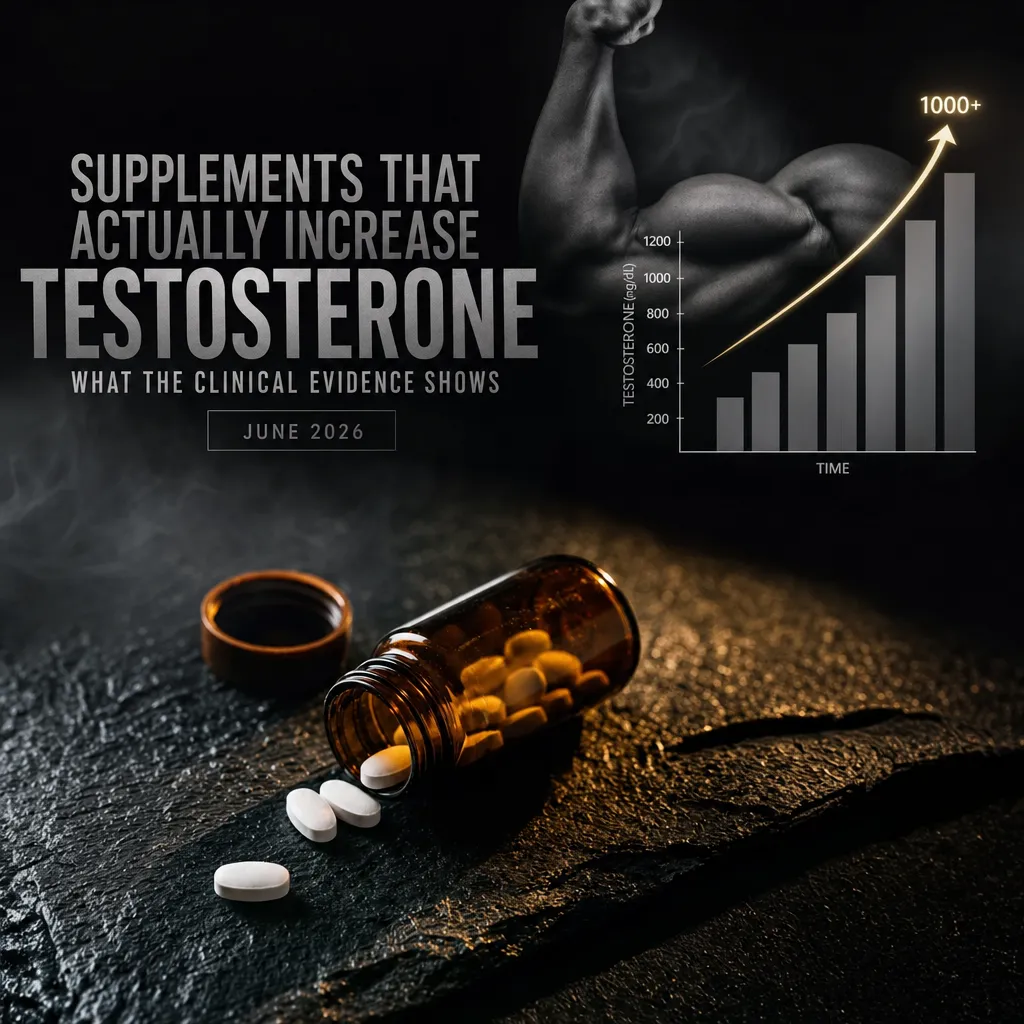
Clinical evidence on testosterone supplements: zinc, vitamin D, ashwagandha, DHEA, and fenugreek. What human trials show for men and women. June 2026.

Learn if creatine and caffeine actually cancel each other out. Current research from June 2026 shows they work together for strength and cognitive performance.
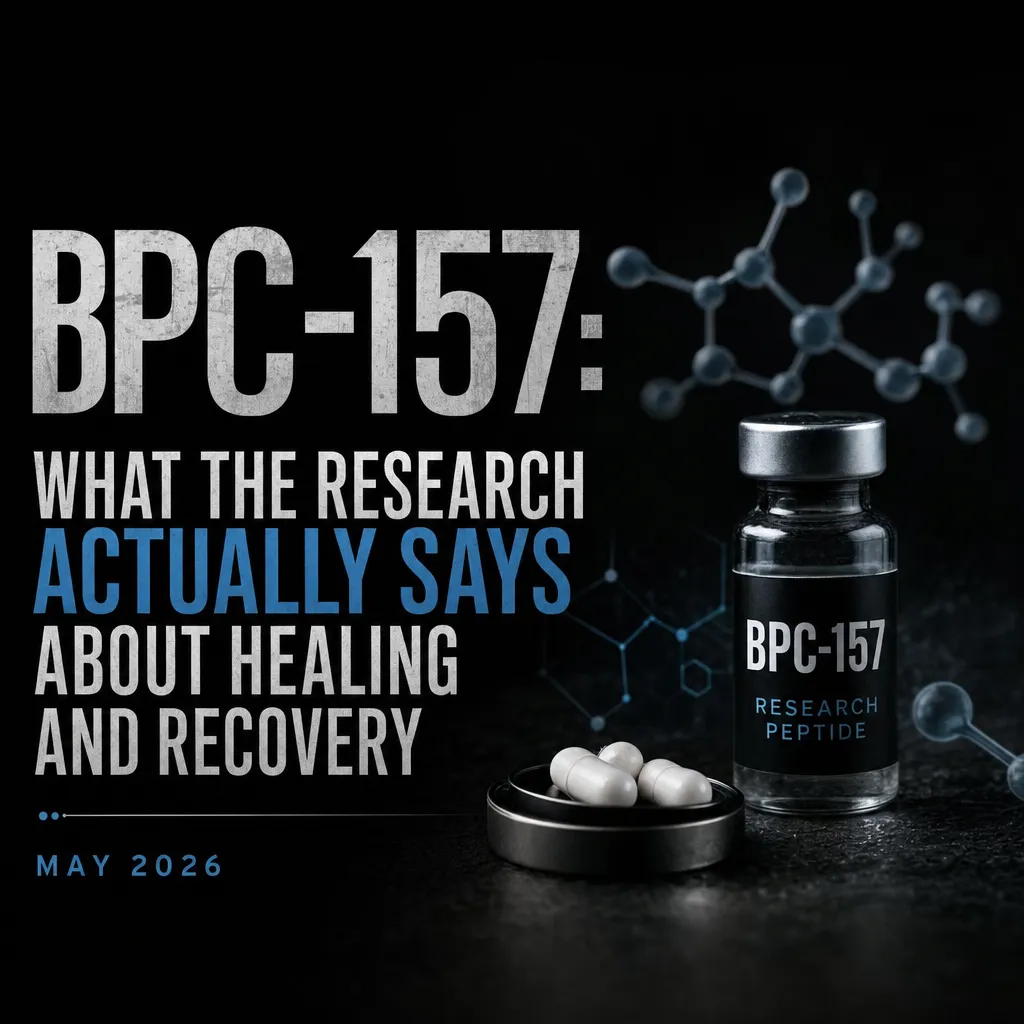
BPC-157 research review: what animal studies show about healing and recovery, human trial gaps, dosing protocols, and safety concerns as of May 2026.

Best red light therapy devices tested for biohackers May 2026. Compare 660nm and 850nm panel output, irradiance measurements, and clinical treatment protocols.
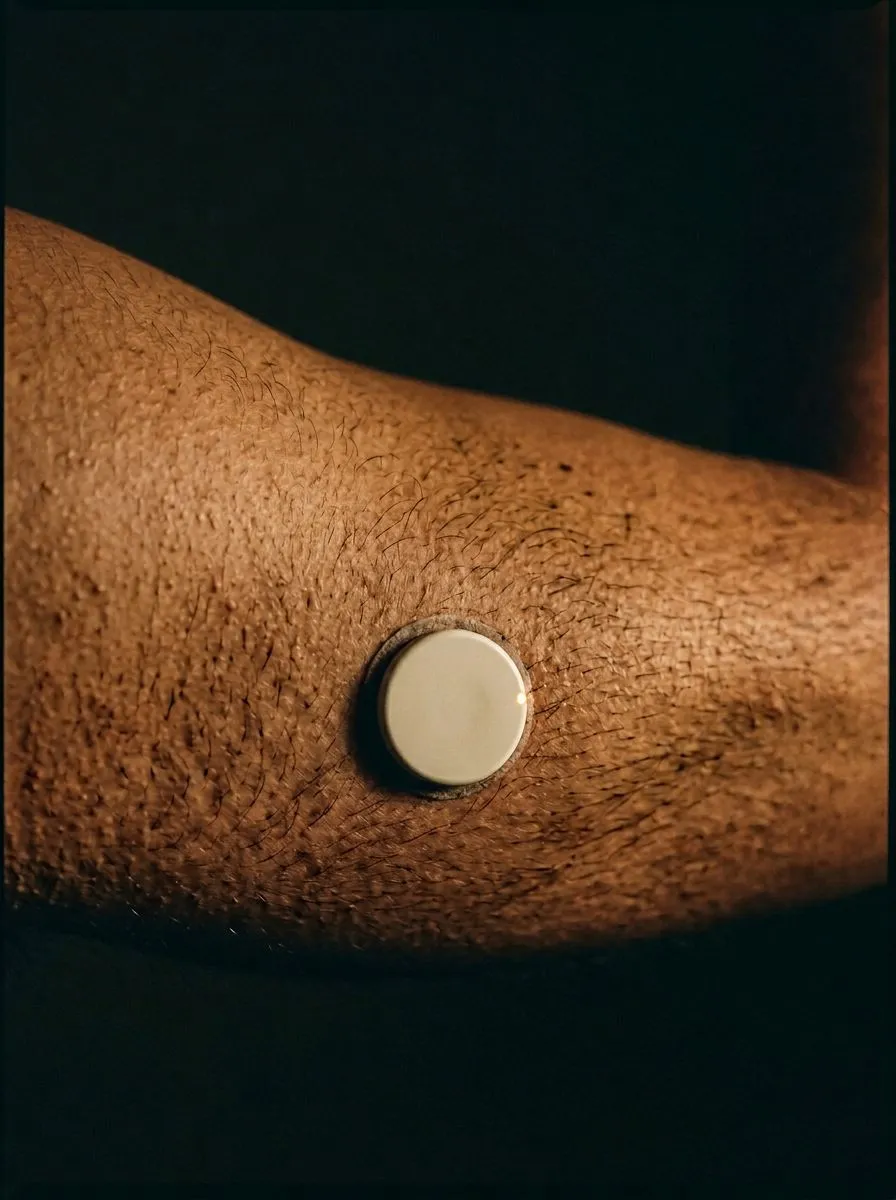
Wearing a CGM for two weeks is one of the highest-leverage experiments a healthy adult can run. Here is how to set it up, what to actually track, and the patterns almost everyone discovers.
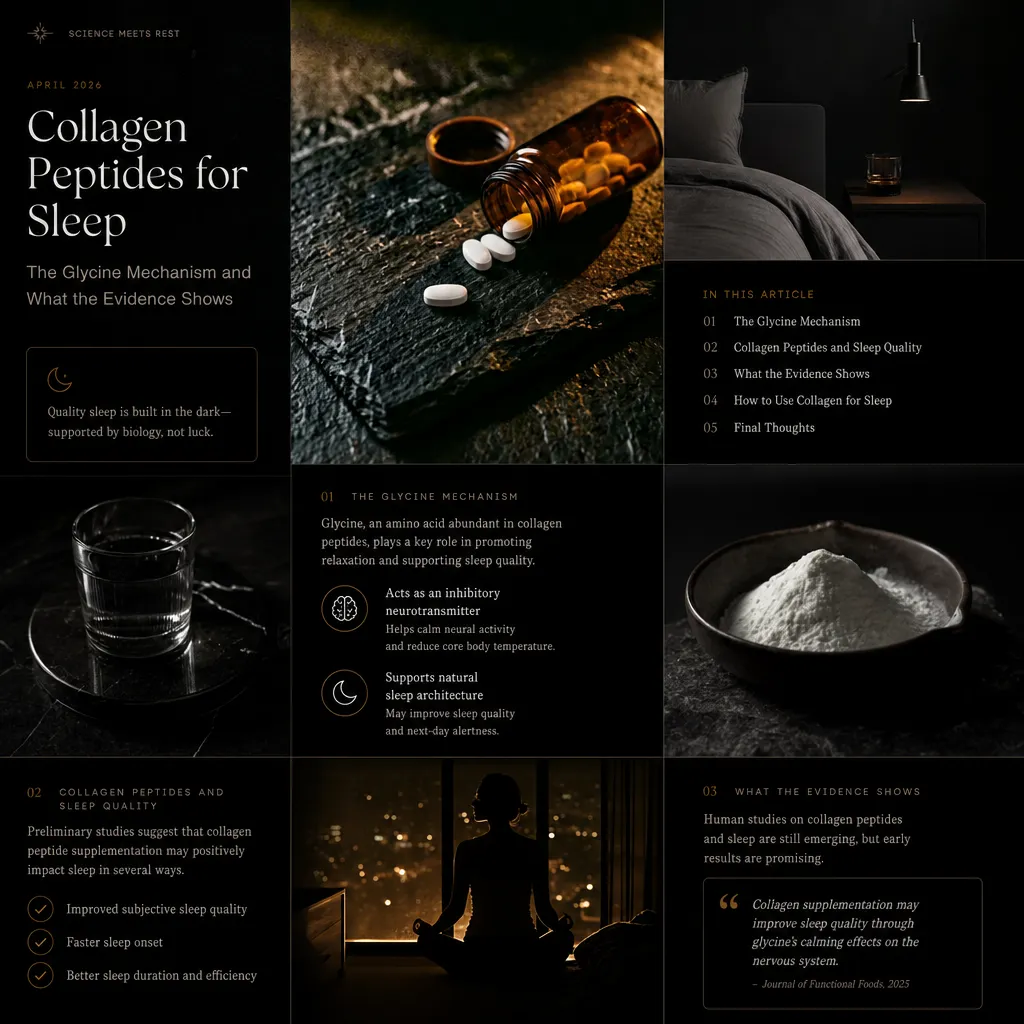
Collagen peptides for sleep: how glycine triggers core cooling, what the clinical trials show, and whether it beats standalone glycine. May 2026.

Rapamycin is the best-validated life-extending compound we have in mice. The human longevity case is genuinely interesting. So is the list of things we still do not know. Here is a grown-up read of the evidence.
Calculate your daily protein needs by body weight and goal. Target 1.6-2.4 g/kg for muscle gain or 1.8-2.2 g/kg for fat loss. Updated May 2026 with research-backed ranges.
Does creatine cause hair loss? A 2025 study measured hair density in 38 men taking creatine for 12 weeks and found no connection. Here's what the research shows in May 2026.

Nicotinamide mononucleotide supplement benefits, dosage, and side effects backed by human trials. Evidence-based NMN guide for April 2026.
Learn which blood biomarkers every biohacker should test in April 2026. ApoB, fasting insulin, and hs-CRP predict health outcomes and track protocol results.

Science-backed ashwagandha benefits: 27.9% cortisol reduction, sleep improvements, testosterone gains. Clinical dosing, timelines, and results. April 2026.
Learn if magnesium supplementation boosts testosterone. Evidence-based review of research, dosing, and who benefits. Updated April 2026 by BioHackLabsHQ.

Scientific evidence on ashwagandha benefits: 27.9% cortisol reduction, 17% testosterone increase, sleep and strength improvements backed by RCTs. April 2026.
SURMOUNT-5 trial data shows tirzepatide produces 6.5% more weight loss than semaglutide (20.2% vs 13.7%). Full clinical comparison April 2026.
Research-backed analysis of peptides for looksmaxing. GHK-Cu shows real human trial data; CJC-1295, BPC-157, and TB-500 lack appearance evidence. April 2026 review.
Learn what heart rate variability (HRV) measures, normal ranges by age, and research-backed ways to improve your HRV through training and recovery. April 2026.

Research-backed analysis of recovery and performance options for April 2026. Independent review of BPC-157, TB-500, CJC-1295, and GLP-1 compounds with clinical evidence.

BPC-157 is the single most-discussed peptide in the biohacking community. Here is what the preclinical evidence shows, where the human data stops, and why the gap matters for anyone considering a protocol.
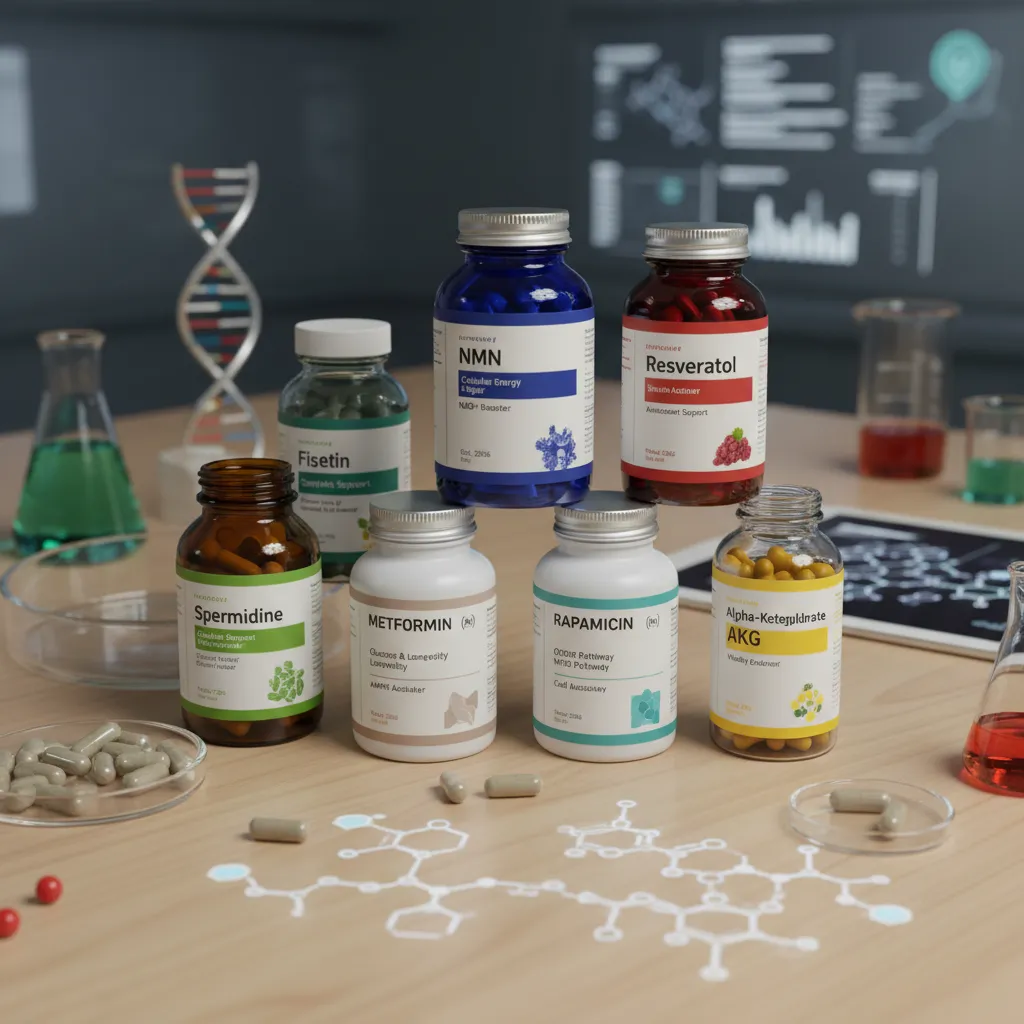
Science-backed longevity supplements ranked by human clinical data, not animal studies. Learn which compounds target aging mechanisms with replicated findings. April 2026.

Find the best wearables for biohackers tracking longevity metrics like HRV, sleep, and glucose. April 2026 guide covers Oura, WHOOP, Dexcom G7, and more.

A concrete, conservative 90-day starter protocol for biohacking beginners. Measurement-first, compound-light, and designed to build habits that still matter a decade from now.
Biohacking gets dismissed as a fad and oversold as a silver bullet. The truth sits somewhere in the middle. Here is an honest framework for deciding whether self-optimization is worth your time, money, and attention.

Peptides are short chains of amino acids that act as precise signals in the body. Here is what they are, how they differ from drugs and proteins, and why the biohacking community is paying so much attention.