Peptides for Looksmaxing: What the Research Actually Supports and What It Doesn't (April 2026)
Research-backed analysis of peptides for looksmaxing. GHK-Cu shows real human trial data; CJC-1295, BPC-157, and TB-500 lack appearance evidence. April 2026 review.

The peptides for looksmaxing conversation is full of confident claims built on shaky foundations. A compound raising growth hormone doesn't mean it changes how you look, and impressive rodent wound-healing data doesn't translate to visible cosmetic results in humans. We pulled every major study to show you which peptides have real human trial support for appearance outcomes and which ones are being sold on mechanism alone.
TLDR:
- GHK-Cu is the only peptide with human RCT data showing 28% avg collagen density gains after 3 months
- CJC-1295 and Ipamorelin raise GH and IGF-1 but have zero human studies measuring appearance outcomes
- BPC-157 has only 3 published human trials with under 30 total subjects; claims rest on animal data
- Gray-market peptides often contain incorrect sequences, endotoxins, and heavy metal contamination
- BioHackLabsHQ provides evidence-first peptide analysis with primary sources and honest evidence gaps
What Peptides Are and How They Relate to Appearance Enhancement
Peptides are short chains of amino acids, typically 2 to 50 residues, that act as signaling molecules. They tell cells what to do: repair tissue, release hormones, ramp up collagen synthesis. Proteins are longer chains doing structural and enzymatic work. Peptides are the messengers.
Looksmaxing refers to optimizing physical appearance through deliberate, evidence-based interventions: skin quality, body composition, hair, recovery. The term has roots in online subcultures, but the underlying question is reasonable.
Here's the honest framing. Peptides nudge existing biological pathways, not override them. A growth hormone secretagogue can raise endogenous GH output. A copper peptide can signal fibroblasts to produce more collagen. Neither rewrites genetics or produces visible changes in a week.
A compound that changes a biomarker in a study is not the same as one that reliably changes how you look in the mirror.
GHK-Cu for Skin Quality and Collagen Production
GHK-Cu, a copper-binding tripeptide, is one of the few peptides with actual human RCT data for skin applications. That alone makes it the most evidence-supported option in any looksmaxing conversation centered on skin quality.
The biological rationale is straightforward. Plasma GHK-Cu declines from roughly 200 ng/ml at age 20 to around 80 ng/ml by age 60, tracking age-related drops in fibroblast activity and collagen turnover.
In controlled trials, topical GHK-Cu produced an average 28% increase in subdermal collagen density after three months. The top quartile saw a 51% improvement, suggesting individual response varies widely.
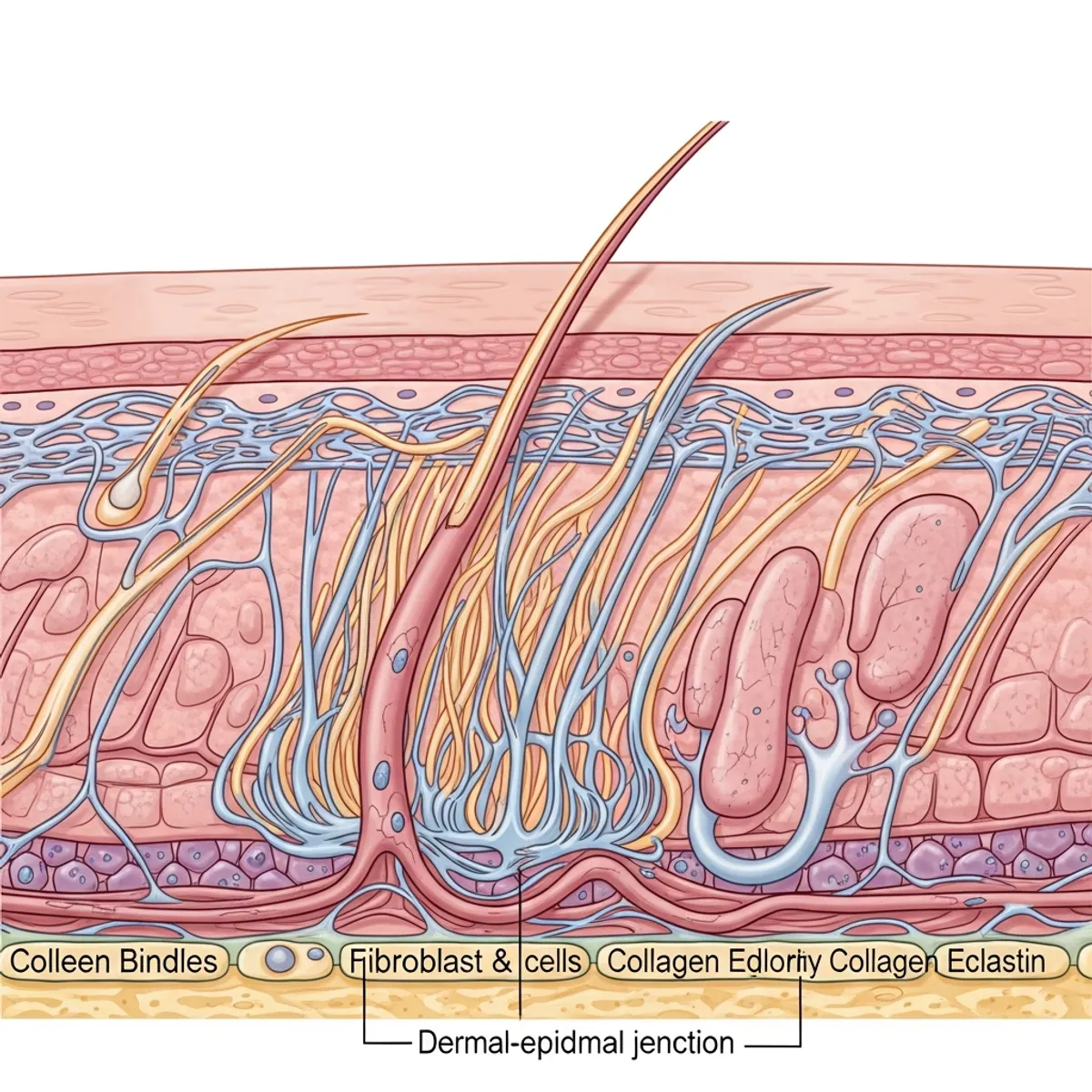
Where the evidence thins: oral and injectable GHK-Cu for cosmetic use lack the same caliber of human data. Topical remains the best-studied route.
Growth Hormone Secretagogues: CJC-1295 and Ipamorelin
CJC-1295 and Ipamorelin get paired because they act on different pathways. CJC-1295 is a GHRH analog, prompting the pituitary to release growth hormone. Ipamorelin is a selective ghrelin receptor agonist that triggers GH release without meaningfully raising cortisol or prolactin. Stacked, they produce a larger, more physiologic pulse than either alone.
The theoretical looksmaxing case: higher GH and downstream IGF-1 may support leaner body composition, faster soft-tissue recovery, and thicker skin. "May" is doing real work there.
Here's the honest part. CJC-1295 has no FDA approval. Development stalled after early-phase human safety studies, and long-term safety data in healthy adults using it cosmetically doesn't exist.
BPC-157 and TB-500: The Recovery Peptides With Limited Human Data
BPC-157 and TB-500 dominate recovery-focused looksmaxing threads because the animal data looks genuinely impressive. Rodent studies show accelerated tendon healing, gut mucosal repair, and reduced inflammatory markers across dozens of papers spanning three decades.
The human data tells a different story. As of March 2026, only three published human studies exist for BPC-157, all pilot trials, with fewer than 30 total subjects across all trials. TB-500 has essentially no peer-reviewed human efficacy data.
That matters for appearance-focused use. Claims about skin quality, workout recovery, or visible body composition changes rest almost entirely on animal extrapolation and anecdote. Both remain unapproved research compounds with no long-term human safety profile.
The Gray Market Problem: Quality, Purity, and Dosing Risks
Most peptides in looksmaxing circles are sold as "research chemicals," a regulatory loophole that sidesteps pharmaceutical oversight. That framing has consequences for what ends up in the vial.
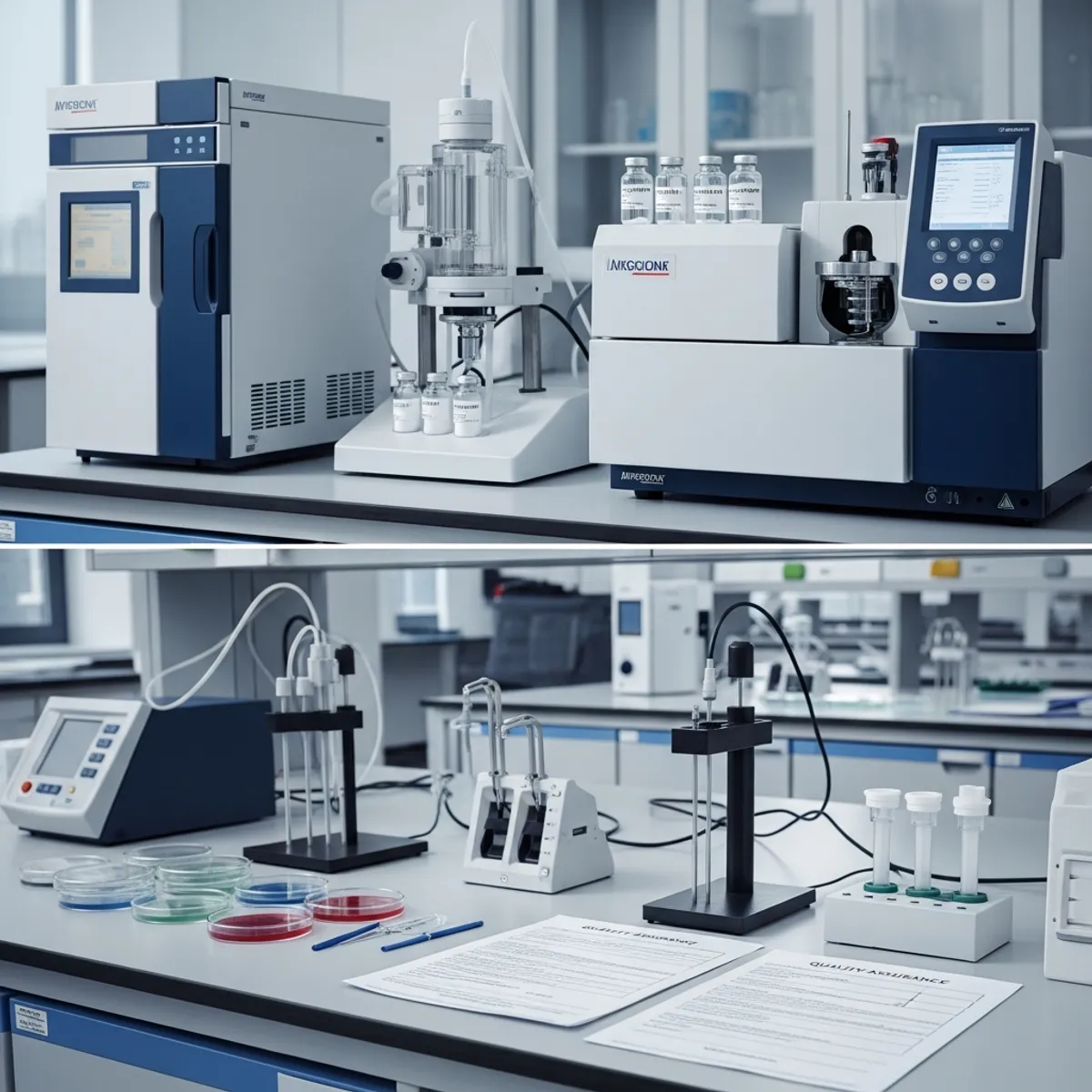
Independent testing of gray-market vendors has repeatedly found:
- Incorrect peptide sequences or degraded product
- Bacterial endotoxins from poor lyophilization conditions
- Heavy metal contamination, including lead and arsenic
- Stated doses that don't match actual content by wide margins
Dosing adds a second layer of risk. Reconstitution math, injection volumes, and pulse timing are not intuitive, and errors compound when the starting material is already suspect.
Compounded peptides obtained through a licensed physician and a licensed pharmacy sit in a different category. The compound itself may still lack long-term safety data, but the supply chain is auditable.
What the Research Actually Supports vs. Social Media Claims
Social media compresses complex evidence into before-and-after photos. The actual research stratifies cleanly into three tiers.
| Peptide | Evidence Tier | What's Actually Supported |
|---|---|---|
| GHK-Cu (topical) | Human RCTs | Collagen density, skin firmness |
| CJC-1295 / Ipamorelin | Pharmacokinetic human data | GH and IGF-1 elevation, not cosmetic endpoints |
| BPC-157 | Animal models, pilot humans | Tissue repair in rodents; appearance effects unstudied |
| TB-500 | Preclinical only | No human efficacy data |
| Melanotan II, GHRP-6, "jawline peptides" | Anecdotal | No credible appearance-specific evidence |
Two patterns recur in viral posts. First, mechanism gets conflated with outcome: a compound that raises IGF-1 is sold as one that reshapes your face. Second, animal data gets quoted as human data. A rat tendon healing faster does not translate to sharper cheekbones in a 28-year-old.
The Measurement-First Approach to Peptide Use
Subjective impression is the weakest signal in any protocol. Placebo is real, confirmation bias is real, and peptides are expensive enough that "I think I look better" shouldn't be your metric.
Before starting any protocol, fix a baseline across three domains:
- Bloodwork: IGF-1, fasting growth hormone, hs-CRP, fasting insulin, ApoB, and a full hormone panel
- Body composition: DEXA scan for lean mass, visceral fat, and regional distribution
- Skin metrics: standardized lighting photography, plus cutometer readings for elasticity or ultrasound for dermal thickness where accessible
Retest on a defined cadence. Twelve weeks is a reasonable window for most peptides to produce detectable biomarker changes. If the numbers haven't moved and the mirror hasn't either, the protocol isn't working. Discontinue, adjust, or reassess the compound.
How BioHackLabsHQ Approaches Peptide Science
At BioHackLabsHQ, we read the studies, not the threads. Our peptide coverage applies an evidence-first lens: clear about mechanisms, honest about data gaps, conservative when human trials are thin.
That means separating what BPC-157 shows in rodent tendon models from what it's claimed to do on TikTok. It means covering CJC-1295 and Ipamorelin pharmacokinetics without implying cosmetic outcomes that haven't been measured. And it means saying plainly when a compound like TB-500 lacks peer-reviewed human efficacy data, instead of padding the gap with anecdote.
We have no product to sell. No affiliate incentive shapes which peptides we cover or how we frame the findings. Read the evidence, set a baseline, and decide from there.
Final Thoughts on Peptides in Appearance Enhancement
The peptides for looksmaxing space runs on hype built from partial evidence. GHK-Cu stands apart with real human trial data showing skin improvements. Growth hormone secretagogues change IGF-1 levels, not how you look. BPC-157 and TB-500 remain research compounds with no cosmetic validation in people. Start with bloodwork and imaging, source responsibly, and track objective changes. Anecdotes and Reddit threads aren't enough to support injecting anything.
FAQ
Can I use peptides for looksmaxing without dealing with gray market vendors?
Yes, but your options narrow. Work with a licensed physician who can prescribe compounded peptides through a licensed pharmacy: this gets you an auditable supply chain and proper dosing guidance. Topical GHK-Cu from recognized cosmetic brands is the only peptide with over-the-counter options backed by actual human trial data.
GHK-Cu topical vs injectable for skin quality?
Topical GHK-Cu has controlled human trial data showing 28% average collagen density increases after three months. Injectable and oral GHK-Cu lack the same caliber of evidence for cosmetic outcomes, making topical the most research-supported route for skin-focused use.
What's the best peptide for looksmaxing based on actual research?
Topical GHK-Cu is the only peptide with randomized controlled human trials showing measurable improvements in skin quality and collagen production. Growth hormone secretagogues and recovery peptides have weaker evidence for appearance-related outcomes: mostly biomarker changes or animal data, not cosmetic endpoints.
How do I know if a peptide protocol is actually working?
Set objective baselines before starting: DEXA scan for body composition, bloodwork for IGF-1 and inflammatory markers, and standardized photography for skin quality. Retest at 12 weeks. If the numbers haven't shifted and the mirror hasn't either, the protocol isn't delivering.
Should I use BPC-157 or TB-500 for recovery and appearance enhancement?
The animal data looks strong, but the human evidence is nearly absent. BPC-157 has three small pilot trials with under 30 total subjects; TB-500 has no peer-reviewed human efficacy data. Claims about skin quality or visible body composition changes rest on rodent studies and anecdote, not clinical proof.
Frequently asked questions
- 01 Can I use peptides for looksmaxing without dealing with gray market vendors?
- Yes, but your options narrow. Work with a licensed physician who can prescribe compounded peptides through a regulated pharmacy — this gets you an auditable supply chain and proper dosing guidance. Topical GHK-Cu from established cosmetic brands is the only peptide with over-the-counter options backed by actual human trial data.
- 02 GHK-Cu topical vs injectable for skin quality?
- Topical GHK-Cu has controlled human trial data showing 28% average collagen density increases after three months. Injectable and oral GHK-Cu lack the same caliber of evidence for cosmetic outcomes, making topical the most research-supported route for skin-focused use.
- 03 What's the best peptide for looksmaxing based on actual research?
- Topical GHK-Cu is the only peptide with randomized controlled human trials demonstrating measurable improvements in skin quality and collagen production. Growth hormone secretagogues and recovery peptides have weaker evidence for appearance-related outcomes — mostly biomarker shifts or animal data, not cosmetic endpoints.
- 04 How do I know if a peptide protocol is actually working?
- Set objective baselines before starting: DEXA scan for body composition, bloodwork for IGF-1 and inflammatory markers, and standardized photography for skin quality. Retest at 12 weeks. If the numbers haven't shifted and the mirror hasn't either, the protocol isn't delivering.
- 05 Should I use BPC-157 or TB-500 for recovery and appearance enhancement?
- The animal data looks strong, but the human evidence is nearly absent. BPC-157 has three small pilot trials with under 30 total subjects; TB-500 has no peer-reviewed human efficacy data. Claims about skin quality or visible body composition changes rest on rodent studies and anecdote, not clinical proof.
- 06 CJC-1295 and Ipamorelin vs GHK-Cu for visible appearance changes?
- GHK-Cu has human RCT data showing 28% average collagen density gains in 12 weeks. CJC-1295 and Ipamorelin raise GH and IGF-1 in studies but have zero published human trials measuring cosmetic endpoints like skin quality or body composition changes.
- 07 Can peptides change facial structure or bone development in adults?
- No credible evidence supports this. Bone remodeling in adults occurs at minimal rates, and no peptide has demonstrated the ability to reshape facial bone structure in peer-reviewed human studies. Claims about jawline or cheekbone changes rest entirely on anecdote.
- 08 How long before I see visible results from a peptide protocol?
- 12 weeks is the minimum window for detectable changes in skin quality or body composition based on GHK-Cu trial data. Growth hormone secretagogues may shift bloodwork earlier, but visible cosmetic outcomes take longer and aren't guaranteed.
- 09 What bloodwork should I get before starting peptides for looksmaxing?
- Baseline IGF-1, fasting growth hormone, hs-CRP, fasting insulin, ApoB, and a full hormone panel including testosterone and estradiol. Retest at 12 weeks to determine if the protocol produced measurable biomarker shifts.
- 10 Do I need a prescription to legally obtain peptides in the US?
- Most peptides marketed for cosmetic use exist in regulatory gray areas as research chemicals. Working with a licensed physician who prescribes compounded peptides through a regulated pharmacy is the only route that provides legal clarity and auditable sourcing.
- 11 What's the difference between research-grade peptides and pharmaceutical-grade?
- Pharmaceutical-grade peptides meet FDA manufacturing standards with verified purity, sterility, and dosing accuracy. Research-grade products from gray-market vendors frequently contain incorrect sequences, bacterial endotoxins, and heavy metal contamination per independent testing.
- 12 Can I stack multiple peptides for better looksmaxing results?
- Stacking introduces compounding variables that make it impossible to isolate what's working. Start with one peptide, track objective outcomes for 12 weeks, then consider adding a second compound only if baseline measurements justify it.
- 13 Why do peptides cost so much if they're just amino acid chains?
- Legitimate peptide synthesis requires precise sequencing, purification to remove contaminants, lyophilization under sterile conditions, and quality testing. Gray-market vendors skip these steps, which explains the price gap and the contamination risk.
- 14 Are topical peptides as effective as injectable versions?
- Only GHK-Cu has controlled human data for topical application showing collagen density increases. Injectable peptides bypass first-pass metabolism and degradation, but most lack human efficacy trials for cosmetic outcomes regardless of delivery route.
- 15 When should I stop a peptide protocol if it's not working?
- If objective measurements show no change after 12 weeks, discontinue. No biomarker shifts plus no visible changes means the protocol isn't delivering. Continuing based on subjective impression wastes money and exposes you to unnecessary risk.