Principles before protocols
Before you spend a dollar on a peptide or a rapalog, you want to know two things: what your actual baseline looks like, and which interventions move *your* numbers. This 90-day framework is deliberately conservative. It focuses on measurement, sleep, metabolism, and strength — the inputs with the best evidence behind them.
Days 1 to 14: establish a baseline
- Full lab panel. CBC, CMP, lipid panel with ApoB, HbA1c, fasting insulin, hsCRP, homocysteine, ferritin, vitamin D, B12, thyroid panel. If your physician is open to it, add a NMR or extended cardiovascular panel.
- Sleep tracking. A ring or watch that captures time in bed, sleep efficiency, HRV, and resting heart rate. Wear it every night.
- Body composition. DEXA if accessible, otherwise a tape measure and a bodyweight scale used at the same time each morning.
- Subjective tracking. A single daily 1 to 10 score for energy, focus, and mood. One minute per day. Pattern recognition is the point.
Days 15 to 45: fix sleep and metabolism
- Sleep first. Same bed and wake time seven days a week within a 30-minute window. No food within three hours of bed. No screens in the bedroom. Room temperature in the mid-60s Fahrenheit.
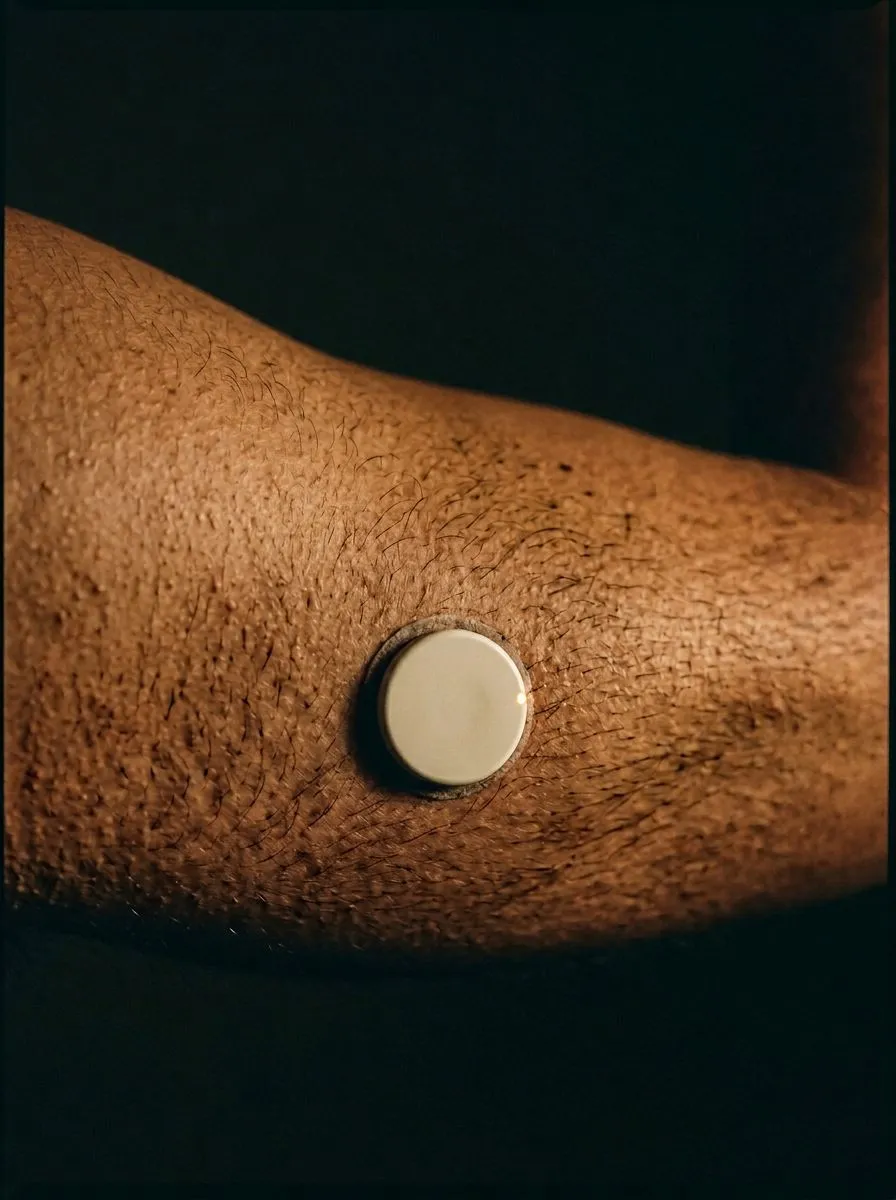
- Glucose awareness. Optional but high-leverage: wear a continuous glucose monitor for two weeks and map your personal responses to common meals. Most people find two or three surprises.
- Protein floor. 1.6 grams per kilogram of body weight per day, minimum. Most adults are under-eating protein and it shows up as poor recovery, hunger, and sarcopenia risk later in life.
- Training. Three resistance sessions per week focused on compound lifts, plus two 30 to 45 minute Zone 2 sessions. Nothing exotic.
Days 46 to 75: layer in recovery
- Morning sunlight. 10 minutes of outdoor light within an hour of waking. Free, surprisingly effective for sleep consolidation.
- Breath and cold. Short daily nasal-breathing walks; optional cold exposure two to three times per week, kept brief.
- Supplement stack, minimal. Creatine 5g/day, vitamin D3 to get your 25-OH D into the 40 to 60 ng/mL range, omega-3 targeting an omega-3 index above 8 percent, magnesium glycinate at night if sleep tracking shows problems.
- Re-measure subjective scores. Compare week 10 to week 2.
Days 76 to 90: review and plan
- Repeat the lab panel. Look for movement in HbA1c, fasting insulin, ApoB, hsCRP, ferritin, and vitamin D.
- Compare sleep metrics. Sleep efficiency, HRV trend, and resting heart rate should all be moving in the right direction.
- Decide what is next. Only after this baseline is clean does it make sense to discuss peptides, GLP-1 agonists, nootropics, or more exotic tools with a qualified physician.
Why this works
Nothing in the first 90 days is glamorous. That is the point. If you cannot move sleep efficiency, ApoB, or HbA1c with the basics, no peptide is going to make up for it. Biohacking compounds when the fundamentals are tight. Build that foundation and everything you try later will work better and teach you more.