Why this is high-leverage
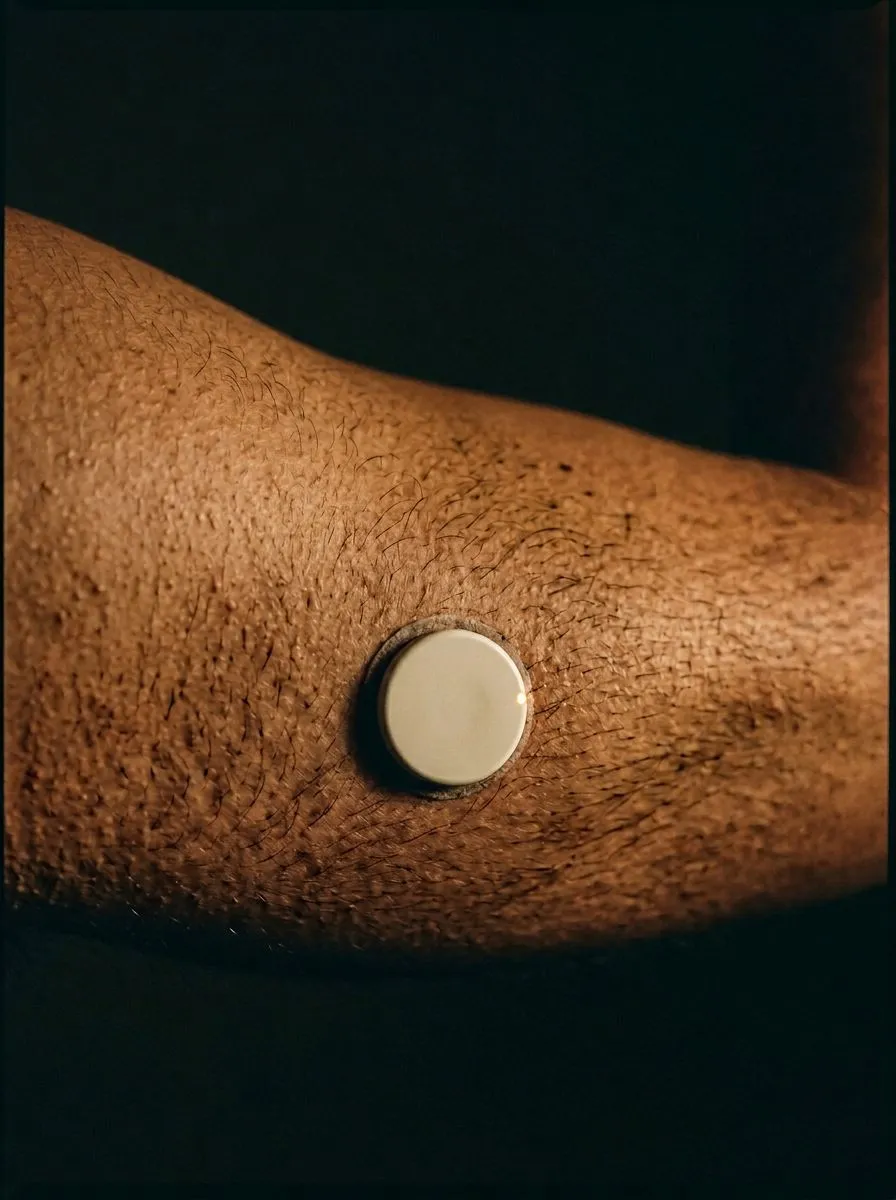
Most healthy adults have no idea how their blood glucose responds to their actual diet, training schedule, stress, or sleep. A continuous glucose monitor changes that in 48 hours. It is one of the few interventions that reliably produces new information — not just confirmation of what you already believe.
Two weeks with a CGM will tell you:
- Which of your usual meals produce outsized glucose spikes.
- How much sleep quality affects your fasting glucose the next morning.
- What your typical post-training recovery curve looks like.
- Whether your "healthy" breakfast is actually spiking you into the 180s.
What you need
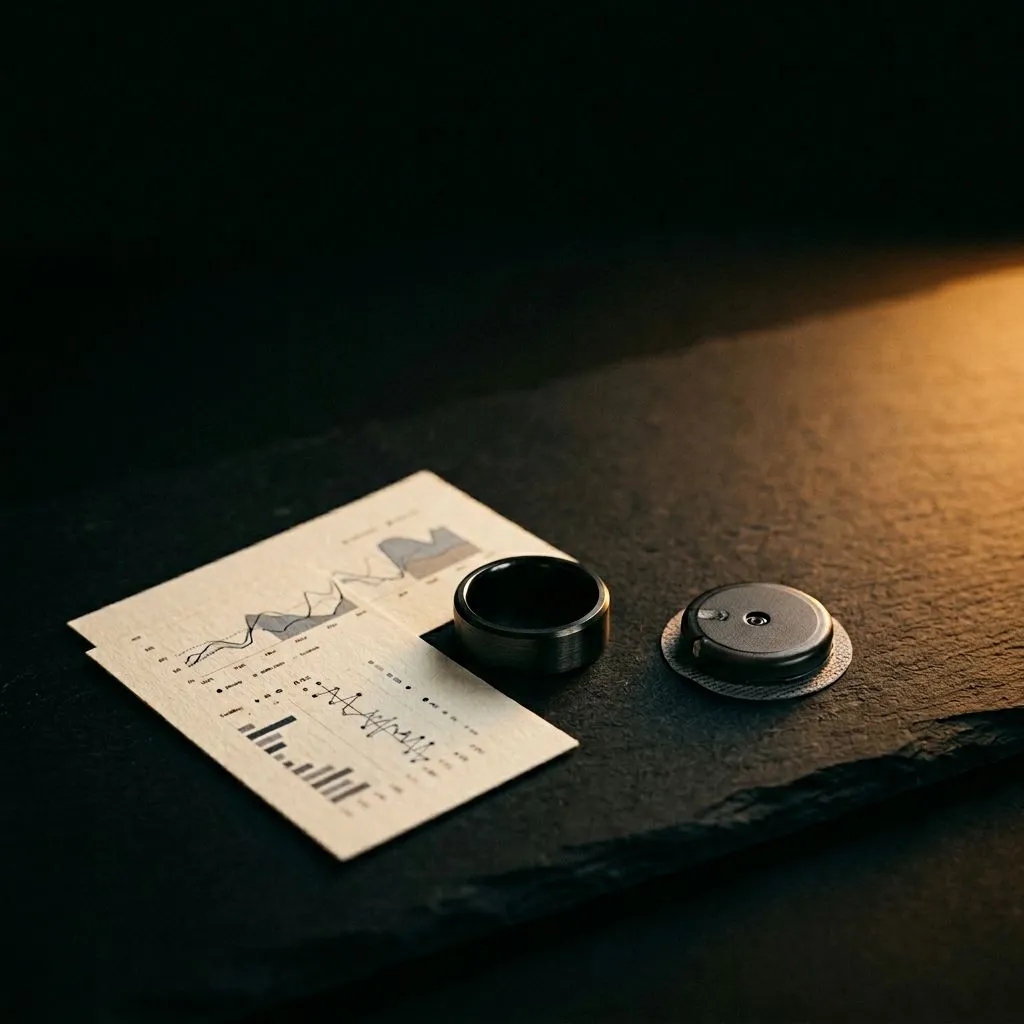
- A CGM (Dexcom Stelo, Abbott Lingo, or similar). Over-the-counter options now exist in most markets.
- A small food-and-context journal. A notes app works fine.
- Two uninterrupted weeks where your schedule is roughly normal. Don't run the experiment during vacation or while traveling.
You do not need a fancy app stack. The built-in app for the sensor you choose is sufficient.
The protocol
Week 1: observe
Wear the sensor. Log what you eat and when. Log sleep time. Log training sessions. Do not try to optimize anything. You are establishing your baseline response curve.
For every meal, note:
- Time
- What you ate (rough description is fine)
- Context (post-workout, stressed, tired, etc.)
Week 2: perturb
Pick three specific interventions and test them against week-1 baselines. Common ones:
- Meal sequencing. Eat the same meal but vegetables first, protein second, starch last. Compare the curve.
- Post-meal movement. Take a 10-minute walk after a meal you know spikes you. Compare.
- Carb source. Swap refined carbs for the equivalent calories of intact grains or legumes.
- Sleep debt. Note what happens to your fasting glucose after a short-sleep night.
One intervention per meal. Keep everything else constant.
What to look for
Three patterns emerge in almost every CGM experiment among otherwise-healthy adults:
- The "healthy" meal that spikes you. Usually a breakfast. Overnight oats, granola, smoothies, fruit juice, and "healthy" baked goods are common offenders.
- The sleep signal. A single short night can raise your fasting glucose by 10 to 20 mg/dL the next morning, even without any diet change.
- The post-meal walk effect. A 10-minute walk within 30 minutes of a carb-heavy meal reliably flattens the curve.
None of these are exotic. All of them are invisible without measurement.
What "good" looks like
For non-diabetic adults, a reasonable target pattern is:
- Fasting glucose consistently between 70 and 95 mg/dL on waking.
- Post-meal peaks below 140 mg/dL.
- Return to baseline within two hours.
- Low time-in-range variability across similar meals.
If your fasting glucose is drifting up into the 100s or your post-meal peaks routinely hit 160+ on meals you consider normal, that is information your bloodwork may not have caught yet. It is worth a conversation with a qualified physician.
What not to do
- Do not eat less just because you see a spike. The experiment is about *shape* of response, not total intake.
- Do not extrapolate from one bad day. Glucose is noisy.
- Do not buy into a "flatten every curve" ideology. Post-meal glucose rises are normal. Large, sustained, repeated spikes on normal-looking meals are the signal worth acting on.
Related reading
_This article is for informational purposes only and is not medical advice._