· 3 min read
Biohacking gets dismissed as a fad and oversold as a silver bullet. The truth sits somewhere in the middle. Here is an honest framework for deciding whether self-optimization is worth your time, money, and attention.

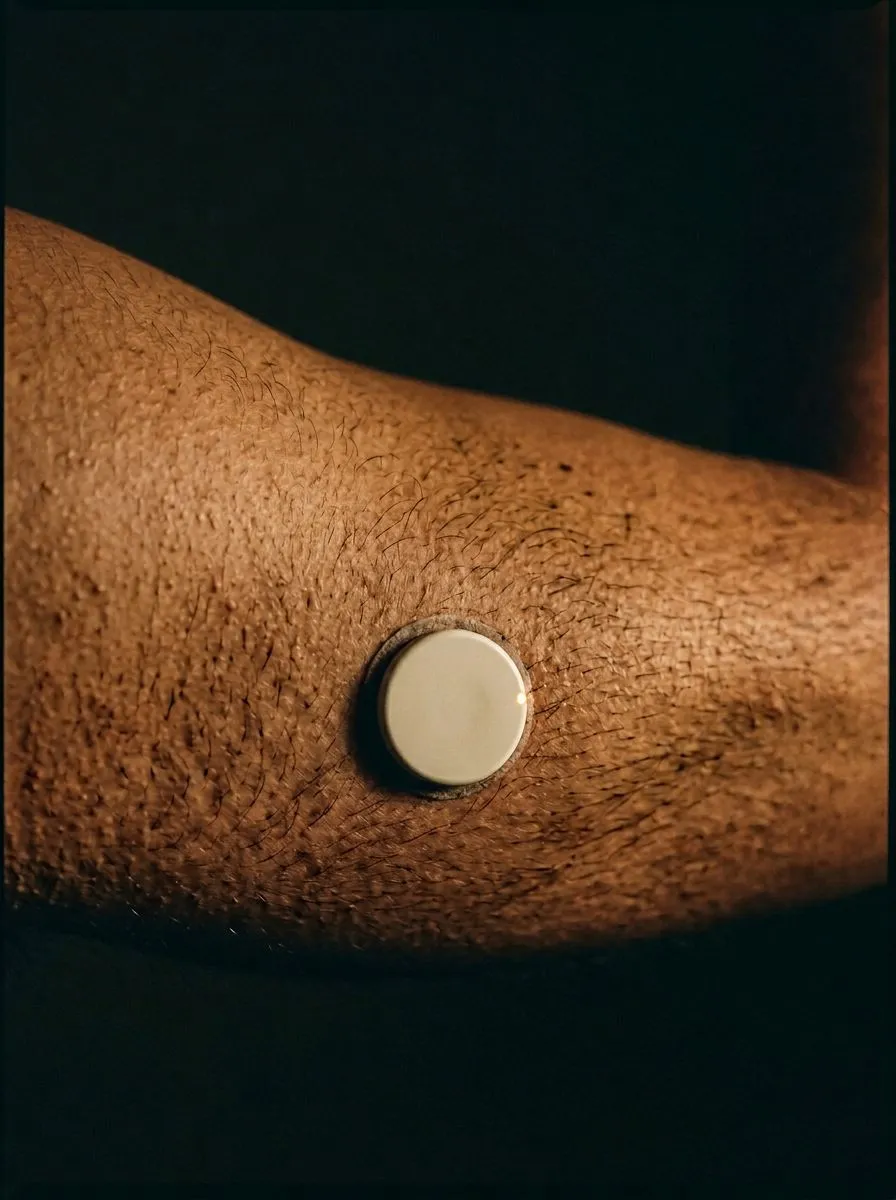
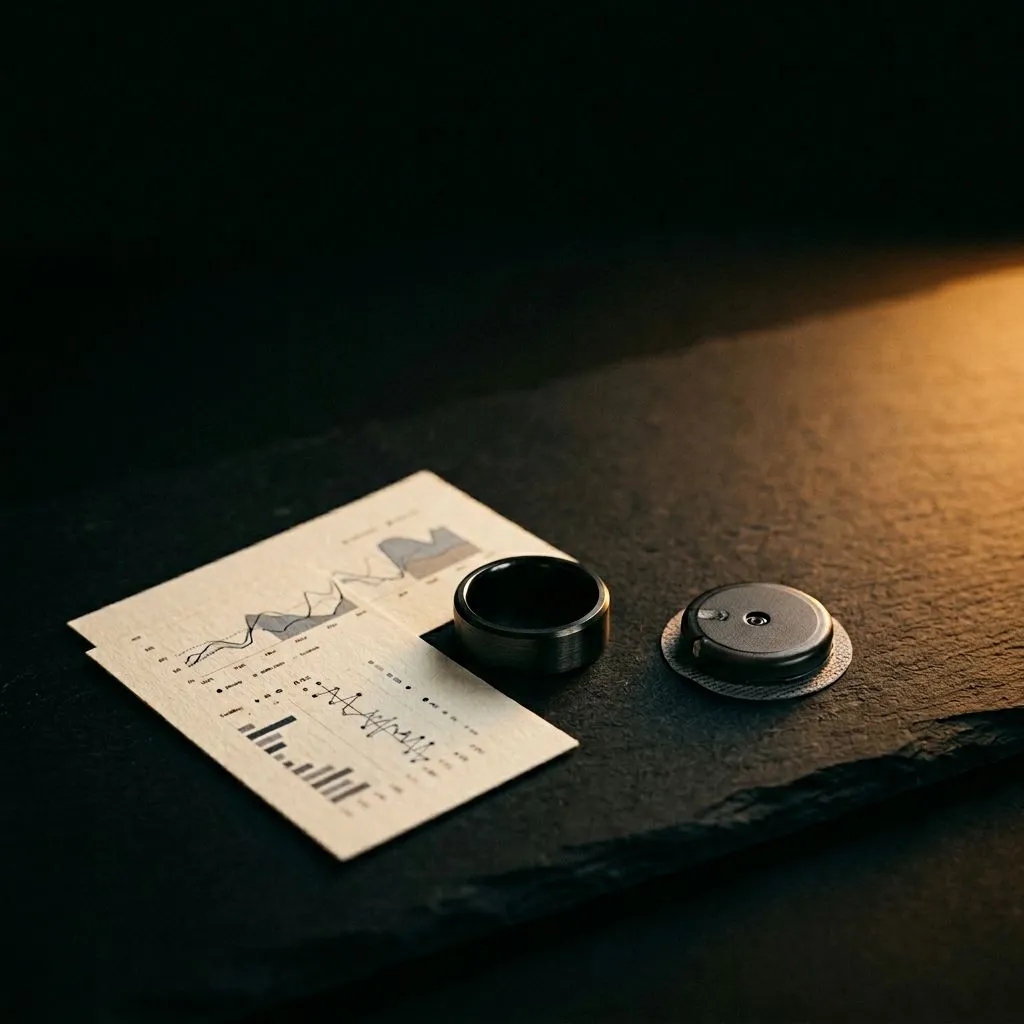
Strip away the hype and biohacking is simply the deliberate use of measurement and intervention to improve a specific aspect of your own physiology. Tracking sleep with a ring and adjusting your bedtime is biohacking. Getting regular bloodwork and tweaking your diet is biohacking. So is fasting, cold exposure, supplementing a single amino acid, and yes, running a peptide protocol.
The common thread is a feedback loop:
Without the loop, you are not biohacking. You are guessing, and every health fad in history has run on guessing.
Three categories of benefit are well supported in the literature:
Biohacking has real costs.
A reasonable framing is this: biohacking is a high-leverage practice for people who are already doing the basics (sleep, strength training, a coherent diet, mental health care) and want to push further. It is not a substitute for any of those fundamentals.
If you have a specific goal — recover better from training, sleep deeper, manage a chronic condition, optimize cognition for demanding work, stay metabolically sharp into your sixties — and you are willing to track and iterate, biohacking will pay for itself. If you are looking for a shortcut that lets you skip the fundamentals, it will not.
Next, read our beginner protocol framework for a concrete starting sequence.