
Top Blood Biomarkers Every Biohacker Should Be Testing in April 2026
Learn which blood biomarkers every biohacker should test in April 2026. ApoB, fasting insulin, and hs-CRP predict health outcomes and track protocol results.

The best biomarkers to track are the ones that respond to diet, training, sleep, and peptides within weeks to months while predicting long-term health outcomes. We filtered for markers that score high on clinical evidence, accessibility, and relevance to the interventions biohackers actually run. These are the numbers that separate a defensible protocol from a stack you hope is working.
TLDR:
- ApoB counts atherogenic particles directly, predicting cardiovascular risk better than LDL-C alone
- Fasting insulin catches metabolic dysfunction years before glucose rises above normal ranges
- Baseline before intervening, then retest quarterly to separate protocols that work from guesses
- Function Health offers 120+ biomarkers with physician review at $365 annually
- BioHackLabsHQ provides evidence-first blood testing guidance grounded in peer-reviewed research
- Retest 8 to 12 weeks after changing diet, training, or supplements — most markers need at least 6 weeks to reflect real changes versus noise
What Are Blood Biomarkers for Biohacking?
Blood biomarkers are measurable indicators in your blood that reflect a biological state or function. Enzymes, hormones, lipids, glucose, inflammatory signals. Tracked over time, they give objective feedback on what is happening inside your body.
For biohackers, optimization without measurement is guessing. A protocol only works if you can prove it works, and proof requires a baseline plus repeat testing.
We treat bloodwork as the foundation of every protocol we cover. Before adding a peptide, supplement, or training intervention, you need numbers. Without them, you are tracking subjective feelings and calling it data.
How We Ranked These Blood Biomarkers
We ranked each biomarker against five criteria:
- Clinical evidence tying it to longevity and healthspan outcomes
- Sensitivity to change over weeks to months, so you can measure intervention response
- Accessibility through standard lab panels without specialty ordering
- Relevance to common biohacking inputs like peptides, training, and diet
- Predictive value for future disease risk
Markers scoring across all five made the list.
Best Overall Biomarker for Biohackers: ApoB
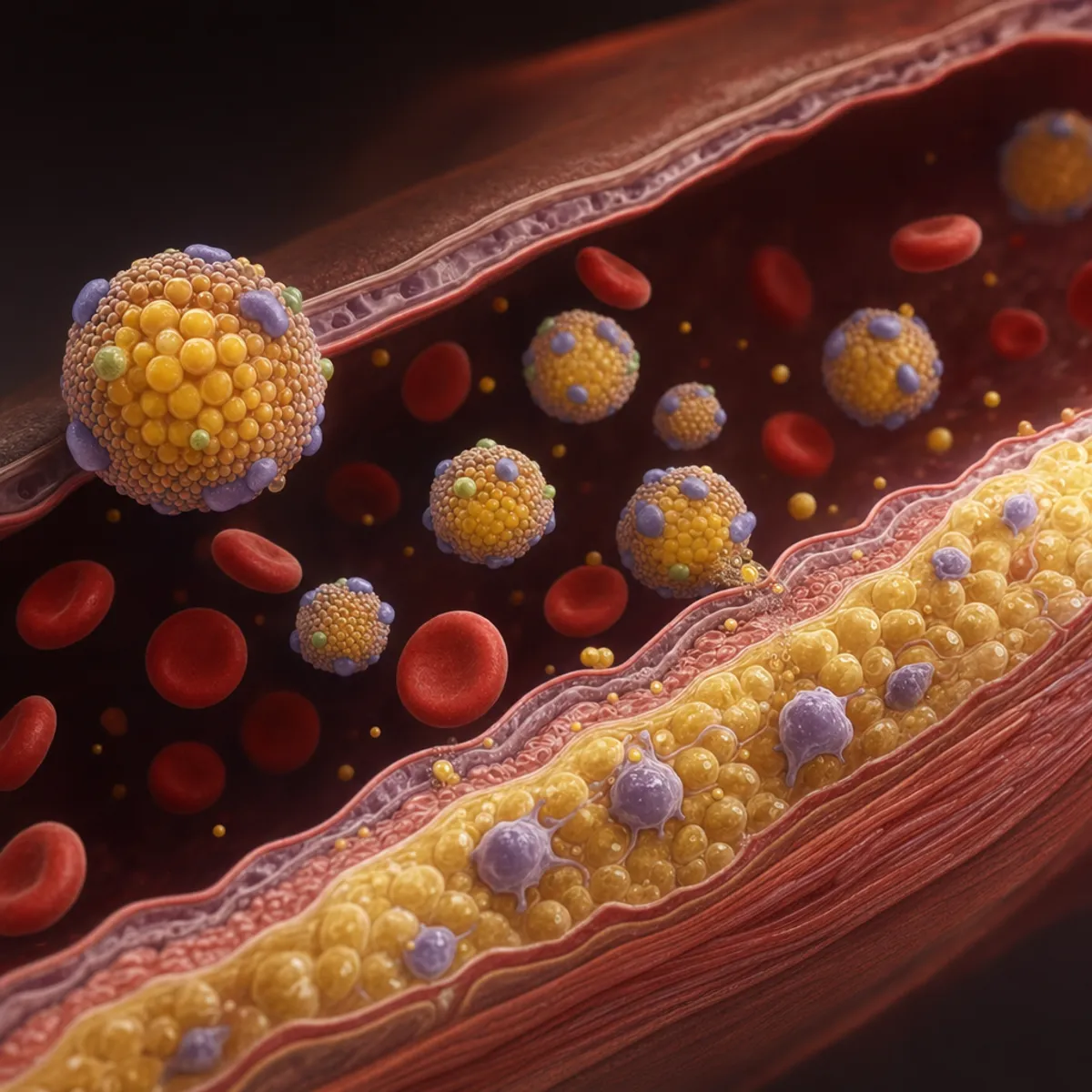
ApoB (Apolipoprotein B) is the single most useful cardiovascular marker we track. Every atherogenic particle in your blood (LDL, VLDL, IDL, Lp(a)) carries exactly one ApoB molecule. Measuring ApoB gives you a direct particle count, not an estimate based on cholesterol content.
Standard LDL-C tells you how much cholesterol sits inside those particles. ApoB tells you how many are hitting your arterial walls. Two people can share identical LDL-C numbers while their ApoB differs by 30%. Research in Circulation shows ApoB outperforms LDL-C for predicting atherosclerotic cardiovascular disease risk.
Why we rank it first:
- Direct particle count beats calculated LDL-C for predicting events
- Responds to diet, statins, and exercise within 6 to 12 weeks
- Available on most standard panels for under $30
- Captures risk hidden by normal LDL-C readings
Core strengths:
- Outperforms standard lipid panels for predicting cardiovascular events, especially under insulin resistance, metabolic syndrome, type 2 diabetes, or ketogenic eating where LDL-C diverges from actual particle count
- Non-fasting draws stay stable across measurements, making longitudinal tracking reliable
- Responds predictably to dietary changes, exercise, and pharmaceutical interventions when warranted
Advantages:
- Targets fall below 90 mg/dL for healthy adults, below 60 mg/dL with known cardiovascular disease
- Affordable access: $15 to $30 via direct-to-consumer labs, around $60 from major providers
- Particularly useful when triglycerides run high or metabolic syndrome masks risk on a standard lipid panel
Bottom line: ApoB is the foundational cardiovascular marker to baseline and retest annually. It reads atherogenic particle burden directly, the driver behind the leading cause of mortality.
Fasting Glucose and HbA1c
Fasting glucose captures a morning snapshot. HbA1c reflects your rolling 2 to 3 month average. Together they read glucose regulation and insulin sensitivity.
What They Offer
- Early prediabetes detection before symptoms appear
- Links to inflammation, cognition, and healthspan outcomes
- Responsive to diet, exercise, sleep, and stress changes
Good for: anyone tracking dietary interventions or with a diabetes family history.
Limitation: static draws miss glycemic variability and postprandial spikes.
Bottom line: baseline both, then pair with a continuous glucose monitor for 2 to 4 weeks to map individual food responses.
Fasting Insulin and HOMA-IR
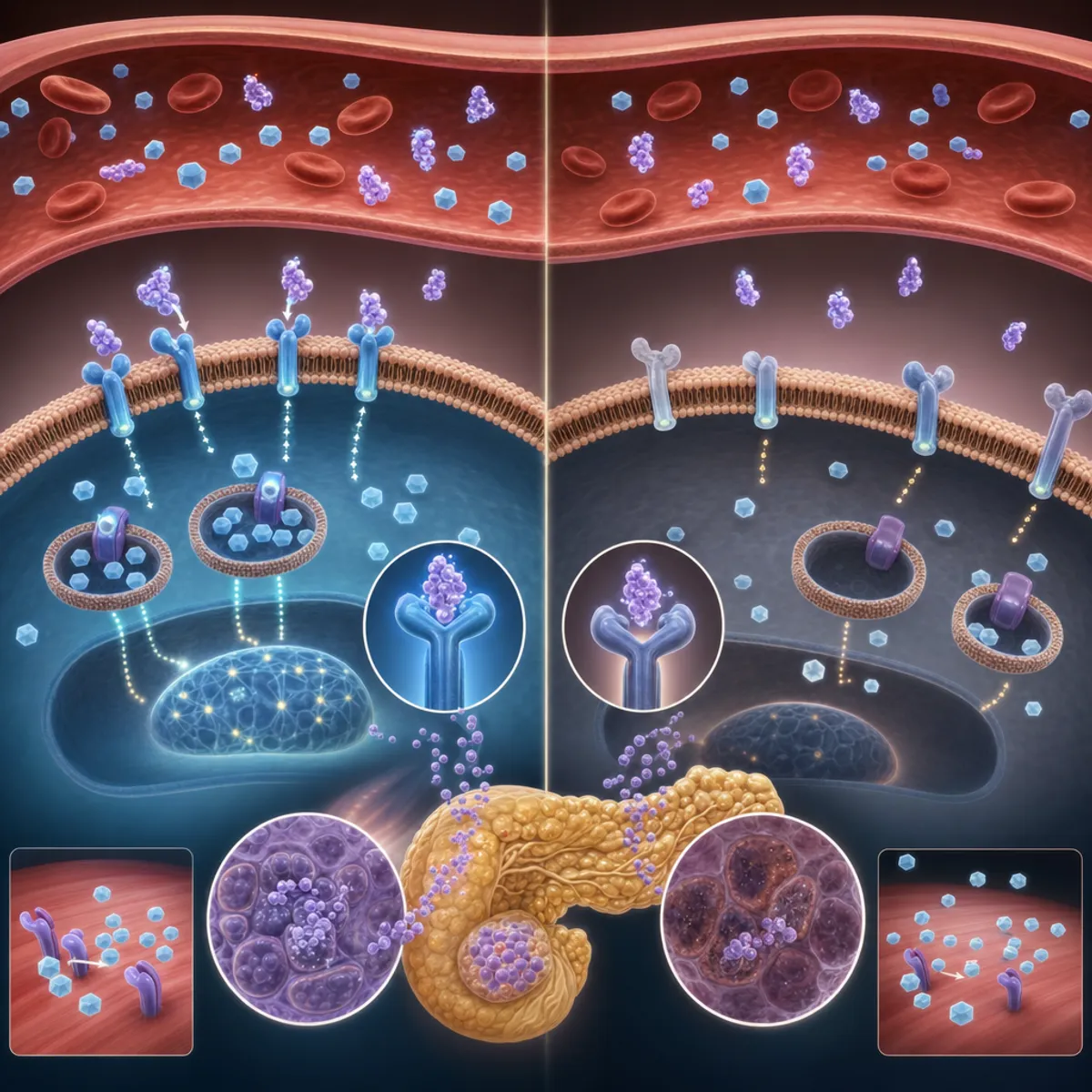
Fasting insulin measures circulating insulin after an overnight fast. HOMA-IR combines fasting glucose and insulin into one insulin resistance score. People sleeping under 6.5 hours nightly secrete 50% more insulin.
What They Offer
- Catches insulin resistance years before glucose drifts abnormal
- Reads metabolic health independent of body weight
- Tracks response to time-restricted eating, training, and sleep protocols
Good for: anyone running metabolic protocols wanting the earliest signal.
Limitation: rarely included in standard physicals, and values swing with recent sleep, stress, and exercise.
Bottom line: fasting insulin often beats fasting glucose for early detection. Retest every 6 to 12 months.
hs-CRP (High-Sensitivity C-Reactive Protein)
hs-CRP tracks low-grade systemic inflammation driving atherosclerosis, neurodegeneration, and metabolic decline. It responds within 4 to 12 weeks, making it a reliable feedback marker.
What It Offers
- Sensitive readout of systemic inflammation, independent of lipid status as a cardiovascular predictor
- Responds to diet, training load, sleep, and stress reduction
GlycA is a related inflammatory marker that measures glycosylated acute-phase proteins. It produces less short-term noise than hs-CRP, making it useful for tracking chronic low-grade inflammation rather than acute spikes. It is available through advanced lipid panels from Quest and LabCorp but is not yet standard on most basic panels.
Good for: high cardiovascular risk, autoimmune activity, or longevity focus.
Limitation: acute infections, injuries, or heavy training spike it temporarily. Test rested and repeat for confirmation.
Bottom line: target below 1.0 mg/L through lifestyle first.
Testosterone (Total and Free) and IGF-1
Testosterone and IGF-1 are anabolic hormones that decline with age, shaping body composition, recovery, and cognition.
What They Offer
- Direct read on anabolic capacity and endocrine status
- Response signal to resistance training, protein intake, sleep, and stress
IGF-1 runs on a U-curve: elevated levels associate with increased cancer risk through accelerated cell proliferation, while too low erodes muscle and tissue resilience.
Good for: men over 30 tracking body composition; all genders running training protocols.
Limitation: longevity-oriented ranges for testosterone sit conservatively within the mid-normal reference window, while performance-focused ranges push toward the upper third. For IGF-1, longevity research generally favors levels in the 100 to 180 ng/mL range, whereas athletes and those running growth hormone secretagogues often target higher. A single draw tells you little. Track the trend across at least three data points before drawing conclusions.
Bottom line: baseline total testosterone, free testosterone, and IGF-1 before any hormone or training intervention.
Thyroid Panel (TSH, Free T3, Free T4)
TSH alone misses too much. A full panel reads metabolic rate, energy production, and cognitive function.
What It Offers
- Detects subclinical hypothyroidism before overt symptoms appear
- Responds to iodine, selenium, sleep, and stress reduction
- Tracks alongside fatigue, cold tolerance, and body composition changes
Good for: anyone with unexplained fatigue, brain fog, or stalled fat loss.
Limitation: reference ranges run wide. Severe caloric restriction and overtraining suppress output.
Bottom line: order TSH, Free T3, and Free T4 annually. Optimal ranges sit tighter than standard lab cutoffs.
Vitamin D (25-OH Vitamin D)
25-OH vitamin D acts more like a hormone than a vitamin, shaping immune function, bone density, and mood.
What It Offers
- A direct read on status and supplementation response
- Modifiable through sun, dosing, and magnesium plus K2 co-factors
Good for: northern latitudes, limited sun, seasonal mood changes.
Limitation: optimal ranges (50 to 60 ng/mL) sit above standard cutoffs built for bone health alone.
Bottom line: baseline, dose to 50 to 60 ng/mL, retest every 3 to 6 months until stable.
Liver Function (ALT, AST, GGT) and Kidney Function (Creatinine, eGFR)
ALT, AST, GGT, creatinine, and eGFR catch organ stress before symptoms surface.
What They Offer
- Early signal of liver strain from supplements, alcohol, medications, or metabolic dysfunction
- Kidney function tied to protein load and hydration
- Baseline data before starting peptide or supplement protocols
Caveat: heavy lifting temporarily raises AST and ALT. Test in a recovery window. For muscular individuals, cystatin C beats creatinine-based eGFR.
Bottom line: non-negotiable for safe experimentation with peptides. Baseline, then retest every 6 to 12 months.
Lipid Panel (Triglycerides, HDL, Non-HDL Cholesterol)
Triglycerides shift over weeks to months. ApoB wins for cardiovascular risk, but a full lipid panel adds metabolic context you cannot get elsewhere.
What It Offers
- Triglycerides read carbohydrate metabolism and liver fat
- HDL indicates reverse cholesterol transport capacity
- Non-HDL cholesterol (total cholesterol minus HDL) captures all atherogenic lipoproteins in a single number, including LDL, VLDL, and IDL. It outperforms total cholesterol as a risk marker because it excludes the protective HDL fraction, giving a cleaner read on the particles that contribute to arterial plaque buildup
Good for: anyone on low-carb or ketogenic protocols, where triglycerides should drop sharply. High values point to excess carbs or alcohol relative to activity.
Bottom line: target triglycerides below 100 mg/dL, ideally below 70 mg/dL.
Complete Blood Count (CBC) and Ferritin
CBC and ferritin catch issues that quietly tank energy and training output. CBC reads red cells, white cells, and platelets. Ferritin reads iron stores.
What They Offer
- Early detection of anemia, iron deficiency, or iron overload
- Immune status via white blood cell counts
- Hemoglobin and hematocrit for oxygen-carrying capacity
- Ferritin as both an iron and inflammation signal
Good for: athletes tracking iron, anyone with unexplained fatigue, and women of childbearing age.
Limitation: ferritin rises with inflammation, masking deficiency. Performance ranges (50 to 100 ng/mL) sit above standard cutoffs.
Bottom line: baseline annually. Iron supplementation without testing is risky since both deficiency and overload cause harm.
Feature Comparison Table of Blood Biomarker Testing Services
Here is how the most-used direct-to-consumer testing services stack up across biomarker count, follow-up testing, pricing, physician review, and at-home draw options.
| Service | Biomarkers | Follow-Up | Price | Physician Review | At-Home Draw |
|---|---|---|---|---|---|
| Function Health | 120+ | Yes (6-month, 60 biomarkers) | $365/year | Yes | Yes |
| Superpower | 100+ | Purchase separately | $199 | AI chat | Yes |
| Mito Health | 100+ | No | $349/year | Biological age calc | Yes |
| Quest/LabCorp Direct | A la carte | No | Variable | No | Limited |
| InsideTracker Ultimate | 40+ | Purchase separately | Variable | DNA + fitness tracker optional | Yes (extra cost) |
Why Regular Blood Biomarker Testing Is Critical for Biohacking
A single blood draw is a snapshot. Real signal comes from trends.
Baseline, intervene, retest. That loop separates a protocol you can defend with data from a stack you hope is working. Bloodwork often changes months before symptoms surface, giving you a window to adjust diet, training, or peptides while corrections are cheap.
Test annually at minimum. Quarterly if you are running active protocols.
Final Thoughts on Measuring What Matters
You can't optimize what you don't measure, and blood biomarkers biohacking separates real protocols from guesswork. ApoB catches cardiovascular risk LDL-C misses, fasting insulin reads metabolic health before glucose breaks, and hs-CRP tracks inflammation driving chronic disease. Test annually at minimum, quarterly when running active interventions, and always retest in a recovered state. Your numbers don't lie when your feelings do.
FAQ
How do I choose which blood biomarkers to test first as a beginner?
Start with ApoB, fasting glucose, HbA1c, and a lipid panel: these four capture cardiovascular and metabolic health foundations and cost under $100 through direct labs. Add hs-CRP, testosterone (if male), and thyroid panel (TSH, Free T3, Free T4) if budget allows, then expand from there based on your protocol focus.
Which biomarkers respond fastest to dietary or training changes?
Triglycerides and hs-CRP shift within 4 to 12 weeks, making them reliable feedback markers for metabolic interventions. ApoB responds in 6 to 12 weeks to diet and exercise changes. Fasting insulin often moves before fasting glucose when you fix sleep or carbohydrate intake.
Should I use Quest, LabCorp, or a direct-to-consumer service like Function Health?
If you want full panels with physician review and repeat testing built in, Function Health ($365/year for 120+ markers) or Mito Health ($349/year) deliver better value than ordering a la carte. For targeted single-marker follow-ups or budget constraints, Quest and LabCorp Direct work fine but lack interpretation.
When should I retest biomarkers after starting a new protocol?
Retest 8 to 12 weeks after changing diet, training, or supplements: most markers need at least 6 weeks to reflect real changes versus noise. For peptide protocols or hormone interventions, retest at 12 weeks, then again at 6 months. Annual baseline testing is the floor; quarterly makes sense during active experimentation.
What's the difference between tracking fasting glucose alone versus adding a continuous glucose monitor?
Fasting glucose gives you one static morning reading and misses postprandial spikes, variability, and individual food responses entirely. A CGM worn for 2 to 4 weeks maps how your glucose reacts to specific meals, sleep debt, and training: data you cannot extract from bloodwork alone. Pair both for the full picture.
Frequently asked questions
- 01 What can wearables do ?
- It can track longevity metrics